1953-S Wheat Penny Value: What Is It Worth in 2026?
Common date: not worth selling one by one. Keep it for your collection, or bundle it with other wheat pennies by the roll or bag.
Value by condition
| Fine (F-12) | $0.06 |
| Very Fine (VF-20) | $0.12 |
| Extremely Fine (XF-40) | $0.18 |
| About Uncirculated (AU-50) | $0.24 |
| Mint State (MS-63, uncirculated) | $2.50 |
Grades without a published guide price are not shown.
A 1953 Lincoln Wheat Cent struck at the San Francisco mint — a final-years issue with huge surviving supply, often collected by the roll or bag.
Specifications of a 1953 wheat cent
- Weight:
- 3.11 g
- Diameter:
- 19.05 mm (0.75 in)
- Composition:
- 95% copper, 5% zinc (post-war shell-case alloy through 1946)
- Edge:
- Plain (smooth, no reeds)
- Designer:
- Victor David Brenner — initials VDB appear on some 1909 issues
What a 1953 wheat penny looks like
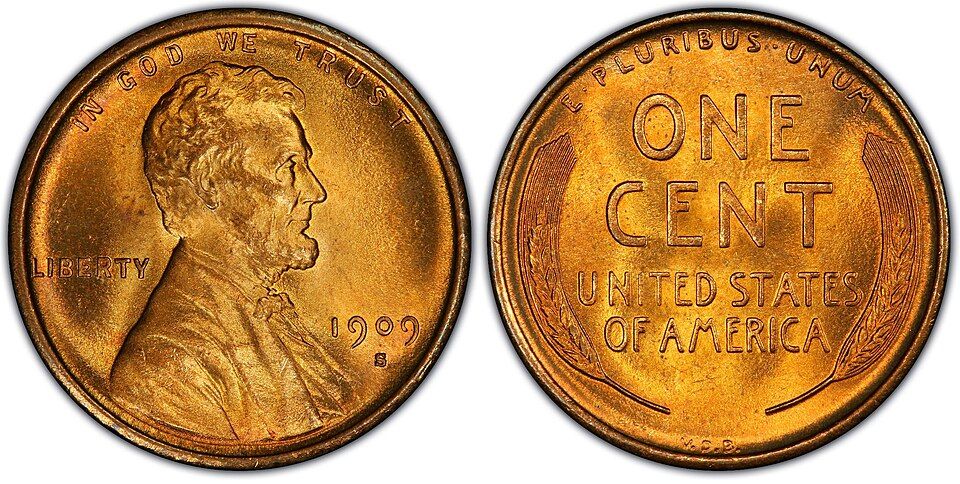
Your 1953-S looks exactly like this, with "1953 and a small S below it" where the date sits in the photo.
How to judge the condition of your coin
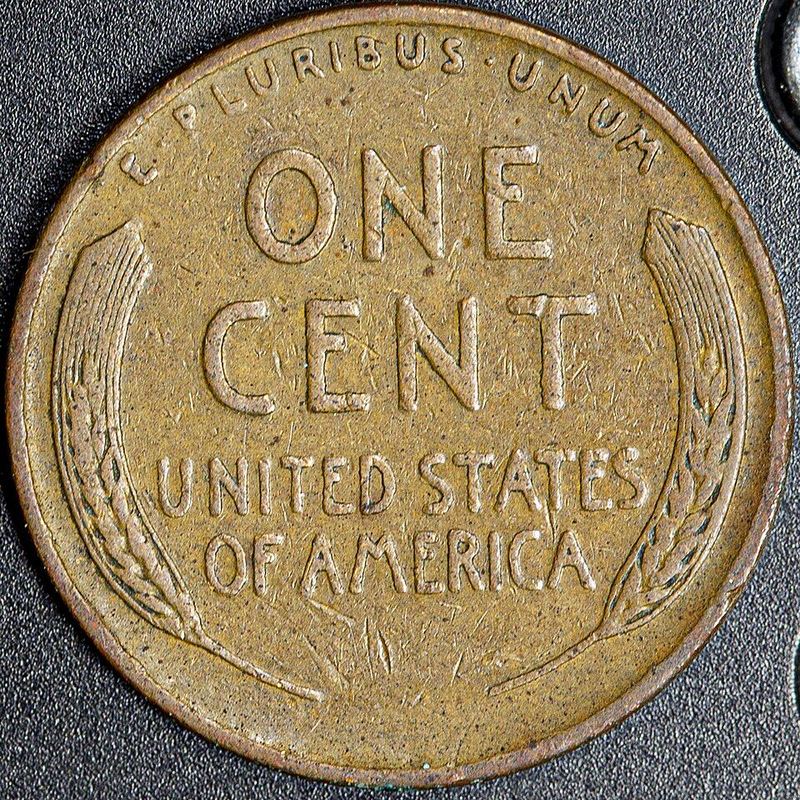
- Look at the wheat stalks first. On a worn coin (like the photo — about "Good" grade), the stalk lines are mostly smooth. If every line and grain in the stalks is sharp, you are looking at Extremely Fine or better.
- Then check Lincoln's cheek and jaw. These are the highest points on the front. Wear shows there before anywhere else; a flat cheek means a lower grade.
- When in doubt, grade down. Sellers systematically overgrade; use the lower row of the price table and you will not be disappointed.
Worn-coin photo: Mark Morgan, CC BY 2.0, via Wikimedia Commons.
1953 penny: mints compared
| Version | Mintage | Value range |
|---|---|---|
| 1953-D Wheat Penny | ~701 million struck | $0.06–$1.24 |
| 1953 Wheat Penny | ~257 million struck | $0.06–$1.24 |
| 1953-S Wheat Penny (this page) | ~182 million struck | $0.06–$2.50 |
Mintage and value can differ a lot by mint mark — compare the versions above before assuming yours is the common one.
How to confirm it's genuine
- The mint mark sits directly below the date — it should be the letter "S". A magnifier with light at a 45° angle works best.
- Never clean the coin: cleaning destroys the original surface and can cut the value in half.
- For any coin worth more than $200, PCGS/NGC grading fees (~$20–50) are money well spent.
Where to sell this coin
- eBay works best in the $1.00–$200 range. Take clear photos of both sides in natural light, and put the year, mint mark, and approximate grade in the title.
- A local coin dealer is the fastest way to cash out, but expect 60–70% of guide prices. Best for selling common dates in bulk.
- Graded high-value coins do best at auction houses like Heritage Auctions or Stack's Bowers, where realized prices are public.
Common questions about the 1953-S Wheat Penny
How much is a 1953-S Wheat Penny worth?
Guide values run from $0.06 in Good (worn) condition up to about $2.50 in MS-63 uncirculated. These are retail guide figures, not offers to buy — a dealer typically pays 60–70% of guide, and top auction results for superb grades can exceed them. Check the grade table on this page against your coin's actual wear before assuming a number.
Where is the mint mark on a 1953 wheat penny?
On the front (obverse), directly below the four-digit date 1953: a small "S" below the date confirms the San Francisco Mint. The mint mark matters — the same year can have very different values at different mints, which is why this site lists each mint separately.
Is a 1953-S Wheat Penny rare?
No. With ~182 million struck, it is a common date, and worn examples are plentiful. Value is concentrated in uncirculated coins with original red luster.
Should I get my 1953 penny professionally graded?
Usually no for a worn example: grading fees run $20–50, which exceeds what a circulated 1953 cent is worth. Grading only makes sense if your coin looks fully uncirculated with sharp detail and original luster — and even then, compare the certified price against the fee first.