1943-D Steel Cent Boldy Doubled Mintmark Wheat Penny Value: What Is It Worth in 2026?
⚠ Key date / rare varietyMintage: no public mintage record
Estimated value · Source: USACoinBook price guide (updated Feb 2026)
1943 D Wheat Penny · Steel Cent Boldy Doubled Mintmark
Mint: Denver (D)
Worth selling
Worth selling individually: list it on eBay or offer it to a local coin dealer. Grading fees would eat the profit, so sell it as-is.
Value by condition
| Good (G-4, heavily worn) | $19 |
| Very Good (VG-8) | $30 |
| Fine (F-12) | $50 |
| Very Fine (VF-20) | $61 |
| Extremely Fine (XF-40) | $73 |
| About Uncirculated (AU-50) | $87 |
| Mint State (MS-63, uncirculated) | $1,244 |
A repunched mint mark variety of the 1943-D steel cent — the D shows obvious doubling under magnification.
What a 1943 wheat penny looks like
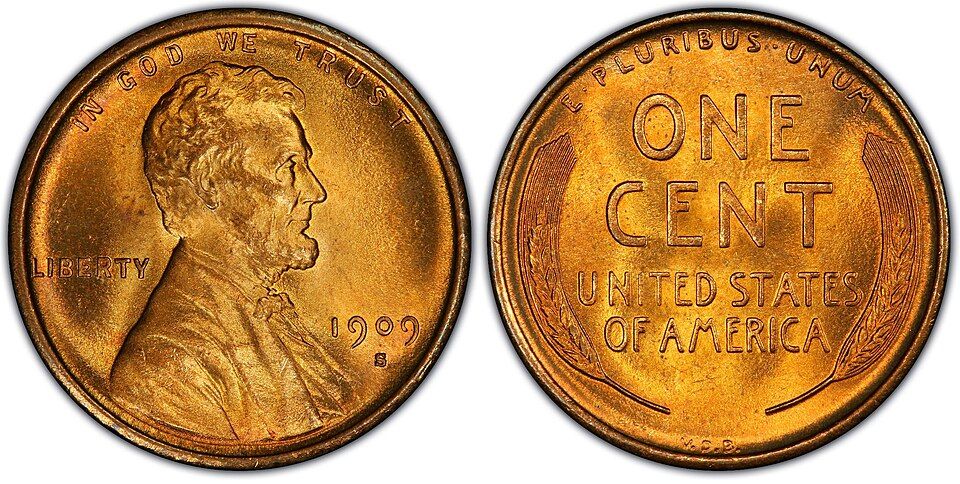
The base design is the same as the photo — the Steel Cent Boldy Doubled Mintmark variety is described in the sections below.
How to judge the condition of your coin
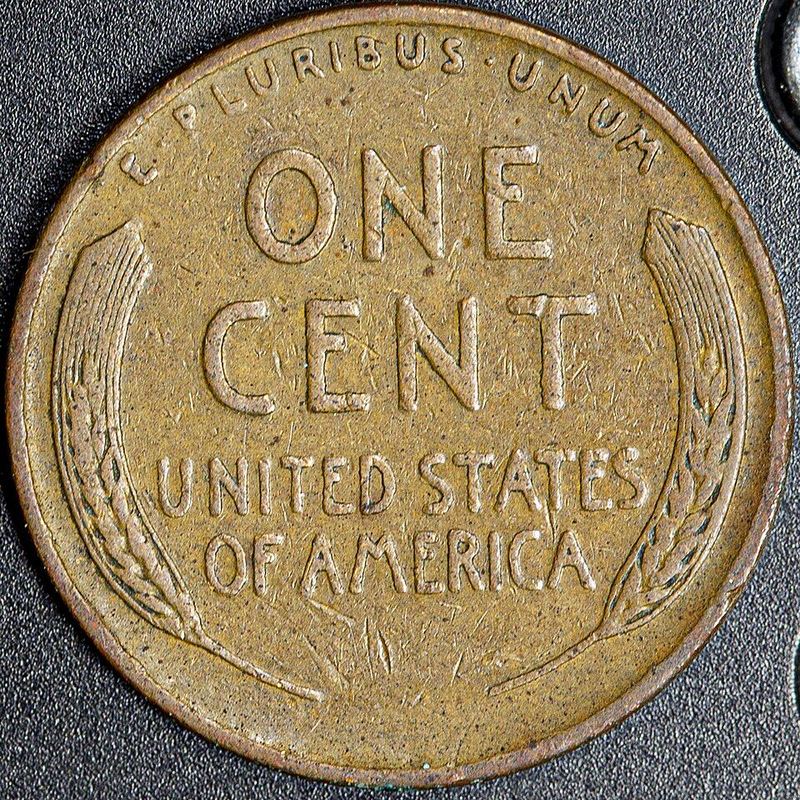
- Look at the wheat stalks first. On a worn coin (like the photo — about "Good" grade), the stalk lines are mostly smooth. If every line and grain in the stalks is sharp, you are looking at Extremely Fine or better.
- Then check Lincoln's cheek and jaw. These are the highest points on the front. Wear shows there before anywhere else; a flat cheek means a lower grade.
- When in doubt, grade down. Sellers systematically overgrade; use the lower row of the price table and you will not be disappointed.
Worn-coin photo: Mark Morgan, CC BY 2.0, via Wikimedia Commons.
How to confirm it's genuine
- The mint mark sits directly below the date — it should be the letter "D". A magnifier with light at a 45° angle works best.
- Never clean the coin: cleaning destroys the original surface and can cut the value in half.
- 1943 self-test: if a magnet sticks, it's a normal steel cent (some people call it the 'iron penny' — same coin, though it's actually zinc-coated steel). If it doesn't stick, you may have the rare bronze error — get it professionally authenticated immediately.
- Genuine doubling is clearly visible to the naked eye, especially on LIBERTY and IN GOD WE TRUST. Weak or shelf-like doubling is usually worthless machine doubling, not the real variety.
- For any coin worth more than $200, PCGS/NGC grading fees (~$20–50) are money well spent.
Where to sell this coin
- eBay works best in the $1.00–$200 range. Take clear photos of both sides in natural light, and put the year, mint mark, and approximate grade in the title.
- A local coin dealer is the fastest way to cash out, but expect 60–70% of guide prices. Best for selling common dates in bulk.
- Graded high-value coins do best at auction houses like Heritage Auctions or Stack's Bowers, where realized prices are public.