1943 Bronze Copper Wheat Penny Value: What Is It Worth in 2026?
Common date: not worth selling one by one. Keep it for your collection, or bundle it with other wheat pennies by the roll or bag.
Value by condition
| Extremely Fine (XF-40) | $154,859 |
| About Uncirculated (AU-50) | $240,740 |
Grades without a published guide price are not shown.
The legendary error: a handful of 1943 cents were struck on leftover bronze planchets. Genuine examples have sold for six figures at auction. It is also one of the most faked coins in the hobby — plated steel cents and altered dates abound. Failing the magnet test is step one; PCGS/NGC authentication is mandatory.
What a 1943 wheat penny looks like
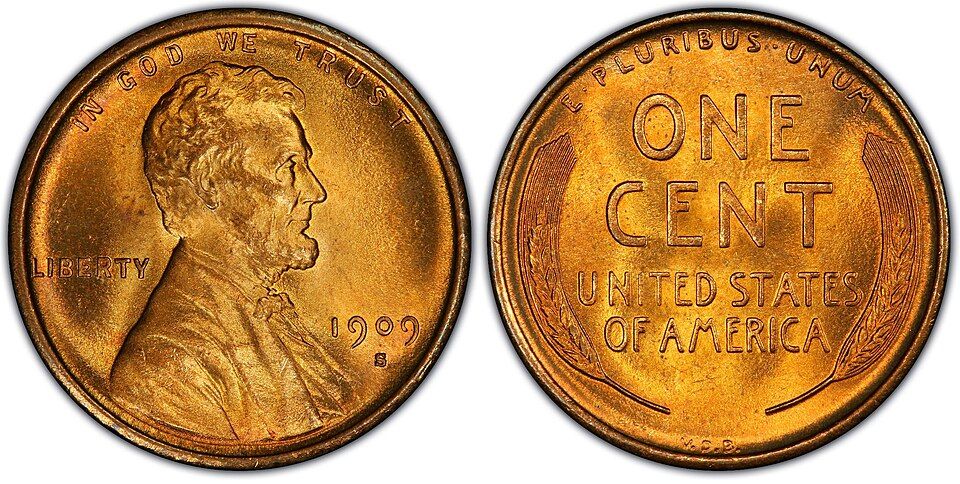
The base design is the same as the photo — the Bronze Copper variety is described in the sections below.
How to judge the condition of your coin
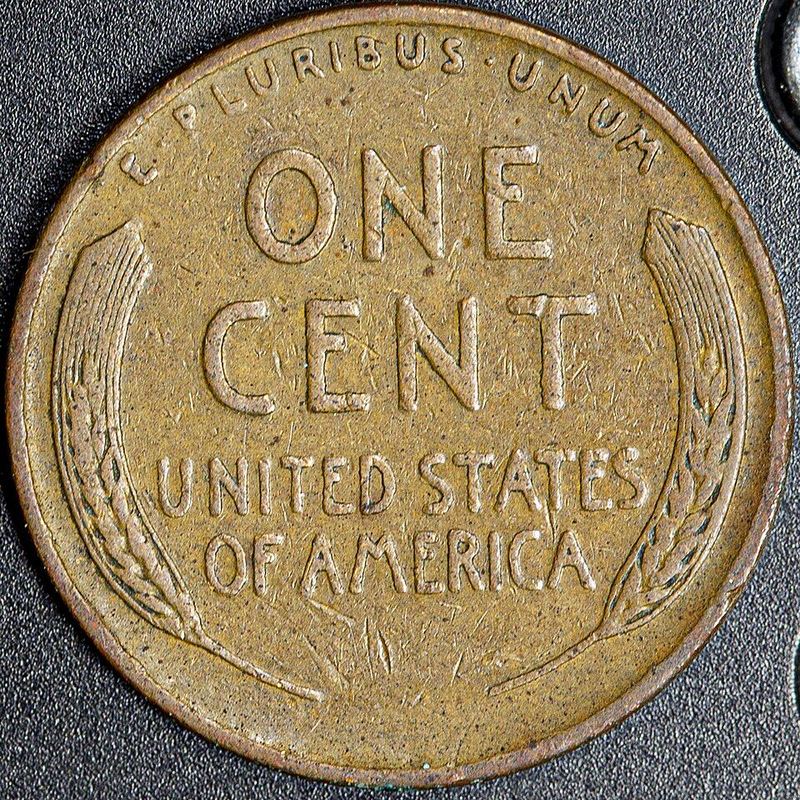
- Look at the wheat stalks first. On a worn coin (like the photo — about "Good" grade), the stalk lines are mostly smooth. If every line and grain in the stalks is sharp, you are looking at Extremely Fine or better.
- Then check Lincoln's cheek and jaw. These are the highest points on the front. Wear shows there before anywhere else; a flat cheek means a lower grade.
- When in doubt, grade down. Sellers systematically overgrade; use the lower row of the price table and you will not be disappointed.
Worn-coin photo: Mark Morgan, CC BY 2.0, via Wikimedia Commons.
The 1943 bronze penny: a six-figure mistake
When the Mint switched to steel in 1943, a few bronze planchets from 1942 remained in the presses and were struck with 1943 dies. The result is one of the great rarities of American coinage: the 1943 bronze (copper) cent. Only about 10–15 are known from Philadelphia, with even fewer from Denver and San Francisco combined. Examples have sold at auction for $200,000 to over $1 million.
The first test is a magnet: bronze doesn't stick, steel does. A non-magnetic 1943 penny deserves immediate professional attention, but also skepticism. The most common fake is a copper-plated 1943 steel cent (magnetic, so the test catches it), followed by altered dates on 1948 or other copper years. Weighing helps too: bronze cents weigh about 3.11 grams versus 2.7 grams for steel.
If your coin passes the magnet and weight tests, contact PCGS or NGC directly about authentication. Every genuine example is a major numismatic event, and auction houses like Heritage will handle consignment eagerly. Do not sell it privately or clean it under any circumstances.
How to confirm it's genuine
- The mint mark sits directly below the date — no letter means Philadelphia (P). A magnifier with light at a 45° angle works best.
- Never clean the coin: cleaning destroys the original surface and can cut the value in half.
- 1943 self-test: if a magnet sticks, it's a normal steel cent (some people call it the 'iron penny' — same coin, though it's actually zinc-coated steel). If it doesn't stick, you may have the rare bronze error — get it professionally authenticated immediately.
- For any coin worth more than $200, PCGS/NGC grading fees (~$20–50) are money well spent.
Where to sell this coin
- eBay works best in the $1.00–$200 range. Take clear photos of both sides in natural light, and put the year, mint mark, and approximate grade in the title.
- A local coin dealer is the fastest way to cash out, but expect 60–70% of guide prices. Best for selling common dates in bulk.
- Graded high-value coins do best at auction houses like Heritage Auctions or Stack's Bowers, where realized prices are public.